


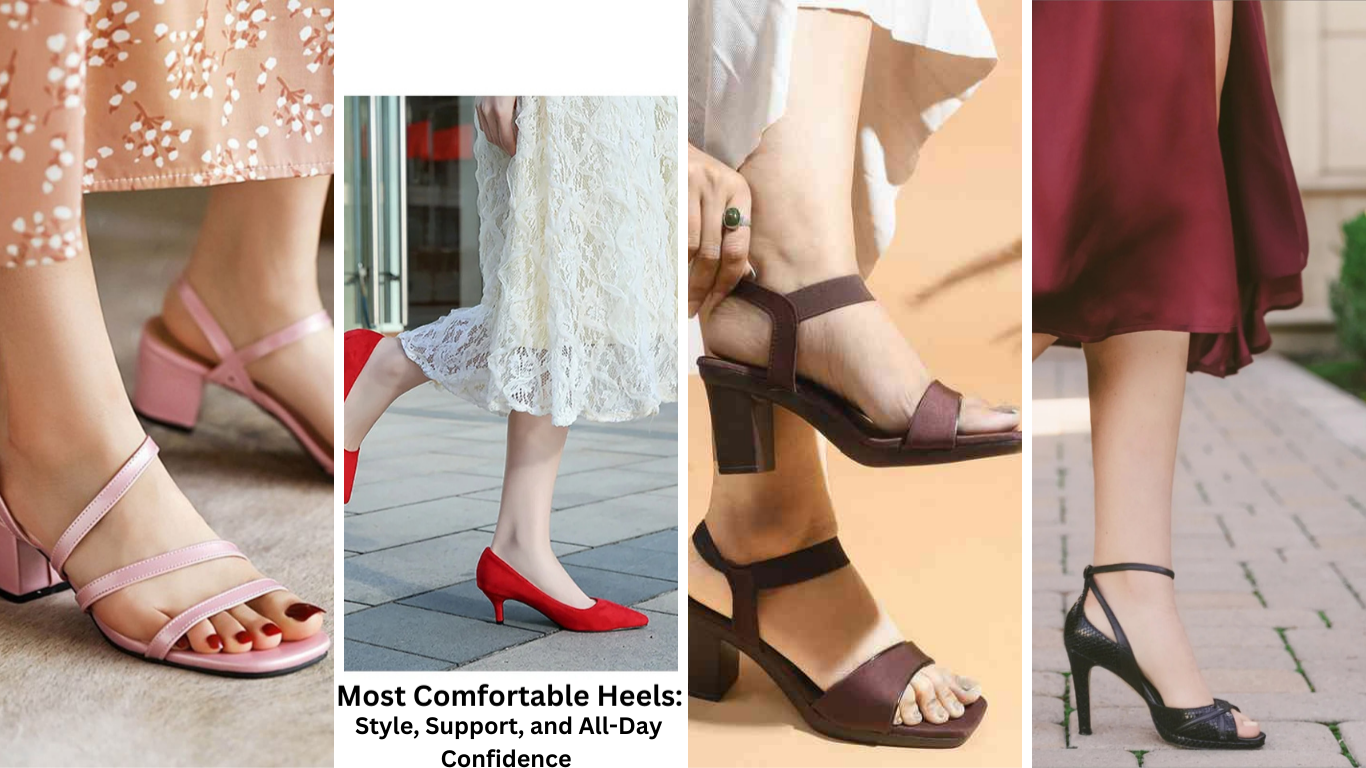
Finding the Most Comfortable Heels is no longer about compromise. Modern women want shoes that look elegant and feel good from morning to night. Whether you walk to work, attend long events, or stand for hours, the right heels can make a huge difference. Comfort is not a luxury anymore. It is a necessity.
The idea that heels must hurt is outdated. Shoe technology, better materials, and smarter designs have changed everything. Today’s Most Comfortable Heels focus on balance, foot health, and long-term comfort while still looking stylish and modern.
What Makes the Most Comfortable Heels Truly Comfortable
The Most Comfortable Heels are designed with the human foot in mind. Comfort starts with structure. A well-designed heel supports your weight evenly and reduces pressure on the ball of the foot.
Key comfort features include bold cushioned footbeds, bold arch support, bold padded insoles, and bold flexible soles. These elements work together to absorb shock and reduce strain on joints. The heel should feel stable, not wobbly or stiff.
Material also matters. Soft leather, suede, and breathable fabrics prevent blisters and irritation. The Most Comfortable Heels mold to your feet over time, creating a personalized fit that improves with wear.
Best Heel Heights for Maximum Comfort
Heel height plays a major role in comfort. Many foot specialists agree that moderate heel heights offer the best balance between style and support. The Most Comfortable Heels usually range between two and three inches.
Very high heels push weight forward and strain the toes. Completely flat heels can also cause discomfort due to lack of arch support. The sweet spot is a heel that lifts slightly while maintaining natural posture.
| Heel Height | Comfort Level | Best Use |
| 1–2 inches | Very High | Daily wear, work |
| 2–3 inches | High | Events, long hours |
| 3–4 inches | Moderate | Short wear |
| 4+ inches | Low | Fashion only |
Choosing the right height is essential when shopping for the Most Comfortable Heels.
Types of Heels Known for Comfort

Not all heels are created equal. Some designs naturally offer more support and balance. The Most Comfortable Heels often come in specific heel styles that prioritize stability.
Block heels are popular for a reason. Their wider base distributes weight evenly and reduces foot fatigue. Wedge heels also provide excellent support because the sole remains connected from heel to toe.
Kitten heels are another comfortable option. Their low height and elegant shape make them ideal for formal settings without discomfort. Platform heels can also be comfortable when designed correctly, as they reduce the angle of the foot.
How Arch Support Impacts Heel Comfort
Arch support is one of the most overlooked features in heels. The Most Comfortable Heels always include proper arch alignment. Without it, feet become tired quickly and pain develops.
Feet with high arches need cushioning. Flat feet require structured support. Neutral arches benefit from balanced designs. When arch support matches your foot type, heels feel lighter and easier to walk in.
Podiatrists often recommend heels with bold contoured footbeds and bold built-in arch systems. These features prevent overpronation and reduce stress on ankles and knees.
Materials That Define the Most Comfortable Heels
Comfort begins with materials. The Most Comfortable Heels use soft, flexible, and breathable materials that reduce friction. Genuine leather remains the gold standard. It stretches naturally and adapts to foot shape.
Memory foam insoles are another game-changer. They provide personalized cushioning and reduce pressure points. Rubber or flexible outsoles improve grip and stability, making walking safer and easier.
Synthetic materials can also work when engineered correctly, but breathability is key. Shoes that trap heat often lead to discomfort and swelling.
Most Comfortable Heels for Work and Office Wear
Workdays demand durability and support. The Most Comfortable Heels for office wear focus on clean design and lasting comfort. Closed-toe block heels and low pumps are ideal choices.
These heels offer enough elevation to look professional while protecting foot health. Neutral colors and classic silhouettes also make them versatile for daily outfits.
Women who spend long hours standing should prioritize heels with bold shock-absorbing soles and bold ankle stability. Comfort at work improves productivity and confidence.
Most Comfortable Heels for Weddings and Events
Special occasions require long hours on your feet. The Most Comfortable Heels for events combine elegance with smart design. Padded straps, ankle support, and balanced heels are essential.
Wedges and platform heels work well for outdoor weddings. Soft linings and adjustable straps prevent pressure buildup. Comfort allows you to enjoy the moment without worrying about foot pain.
Many women now choose comfort-first heels even for formal events. Style no longer needs to suffer.
Case Study: Why Women Are Switching to Comfortable Heels
A recent footwear survey showed that over 70% of women prioritize comfort over heel height. Brands that focus on the Most Comfortable Heels report higher customer loyalty and fewer returns.
One working professional shared that switching to supportive heels reduced her back pain within weeks. Another event planner reported standing for ten hours without discomfort after choosing properly cushioned heels.
These real-life experiences prove that comfort-focused heels are not a trend. They are a necessity.
Common Mistakes When Buying Heels
Many people choose heels based only on appearance. This often leads to regret. The Most Comfortable Heels should never feel tight or unstable during the first wear.
Avoid narrow toe boxes. Skip heels with slippery soles. Always try heels later in the day when feet are slightly swollen. This ensures a realistic fit.
Comfort should be tested by walking, not standing still. A good heel feels natural after a few steps.
Quick Checklist for Choosing the Most Comfortable Heels
Before buying, keep these factors in mind:
- Proper heel height for your lifestyle
- Soft and breathable materials
- Stable heel base
- Cushioned and supportive insoles
- Enough room for toes
This simple approach helps you consistently find the Most Comfortable Heels.
FAQs
Q 1: What heel height is considered the most comfortable?
Heels between two and three inches are usually the most comfortable for daily and long wear.
Q 2: Are the most comfortable heels suitable for all-day use?
Yes, the Most Comfortable Heels are designed for extended wear with proper cushioning and support.
Q 3: Do comfortable heels still look stylish?
Absolutely. Modern designs combine elegance with comfort without sacrificing appearance.
Q 4: Can the most comfortable heels reduce foot pain?
Yes, they help reduce pressure on the feet, knees, and lower back when designed correctly.
Q 5: Are block heels more comfortable than stilettos?
In most cases, block heels provide better balance and are more comfortable than thin heels.
Conclusion
The Most Comfortable Heels are redefining modern fashion. Comfort no longer comes second to style. With the right design, materials, and fit, heels can support your feet and elevate your confidence.
Choosing comfort-focused heels protects your health and enhances daily life. Once you experience true comfort, you will never go back.
