


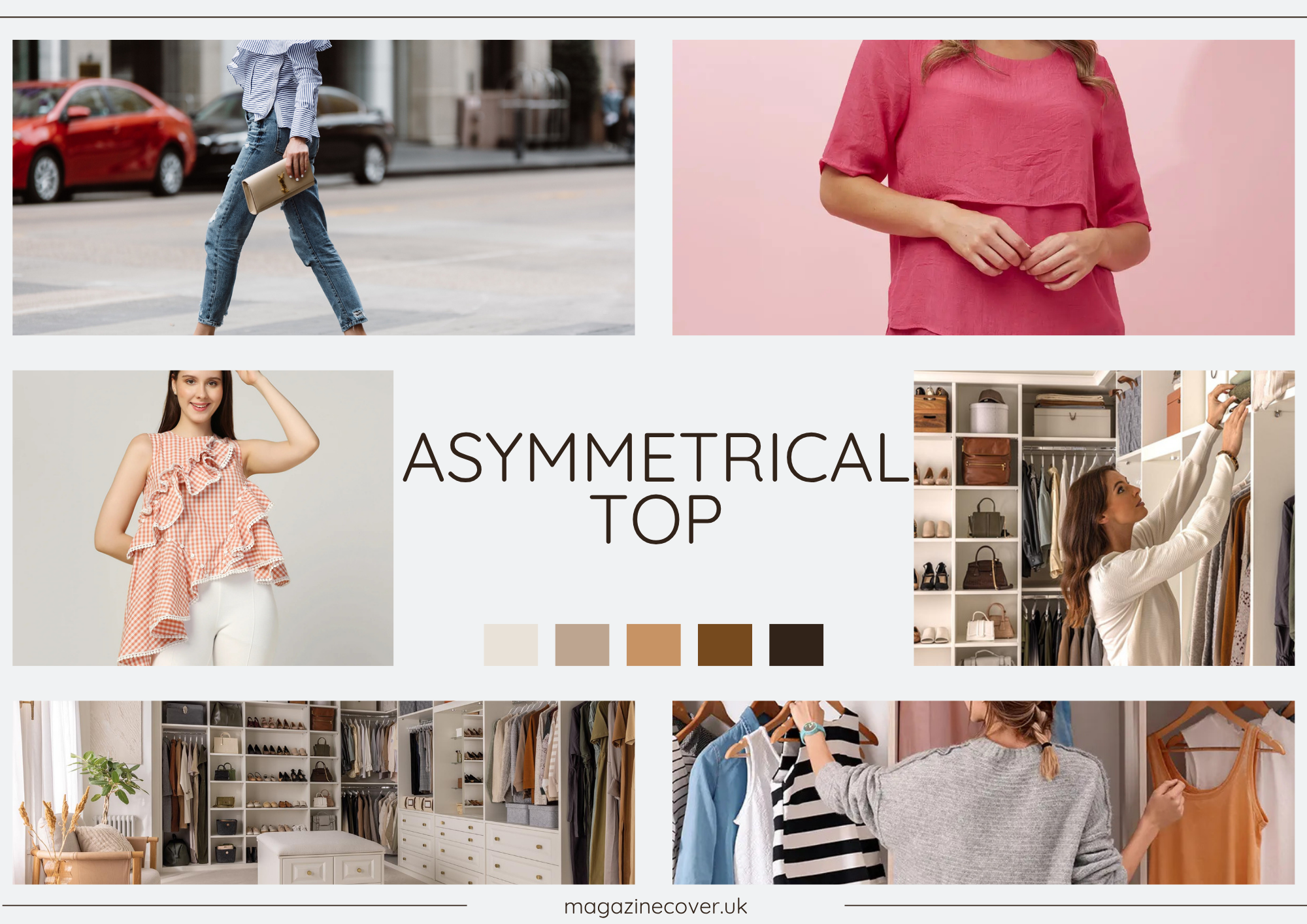
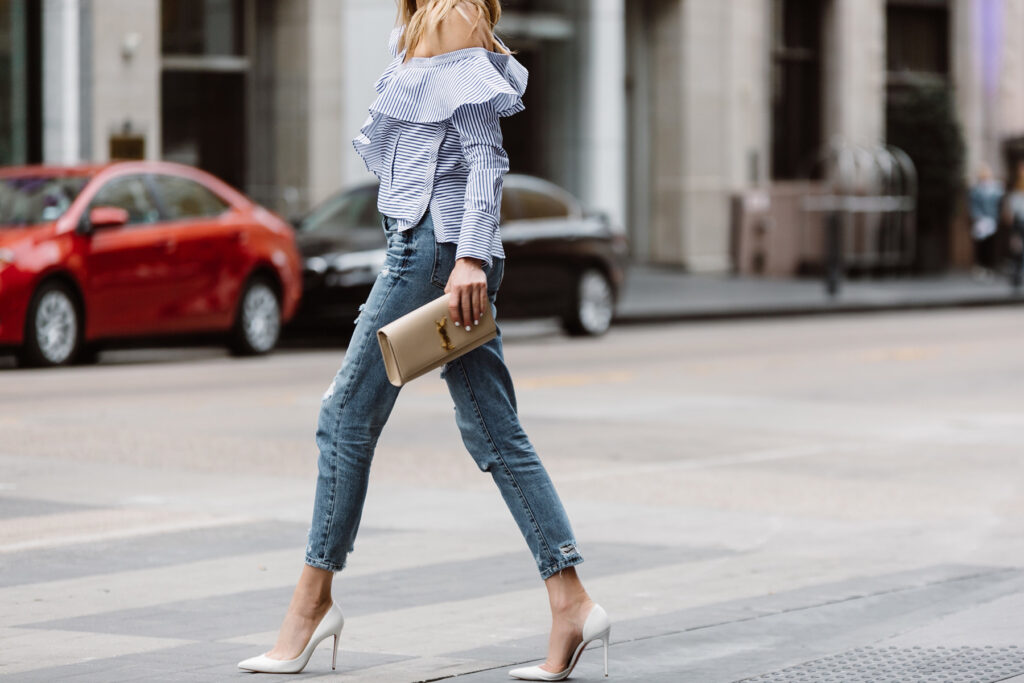
An asymmetrical top has become one of the most talked-about fashion pieces in recent years. It blends creativity with structure, making it perfect for people who enjoy unique style without compromising comfort. Unlike regular tops, an asymmetrical top plays with diagonal cuts, uneven hems, one-shoulder styles, twisted drapes, and layered designs. It gives fashion enthusiasts a chance to express individuality with simple effort.
What Is an Asymmetrical Top?
An asymmetrical top is a garment where both sides are intentionally uneven—either in length, neckline, sleeves, or hemline. Designers use asymmetric hem, diagonal cut, and one-shoulder neckline to break traditional symmetry. This creates movement, flow, and visual interest. The beauty of an asymmetrical top lies in its ability to flatter almost every body type. The unbalanced silhouette, when done right, draws the eye to the shoulders, collarbones, or waist, making the outfit look elegant without trying too hard.
| Feature | Description |
| Necklines | One-shoulder, high-low, diagonal, off-center |
| Fabrics | Silk, cotton, chiffon, ribbed knit, jersey |
| Occasions | Casual wear, office fashion, evening events |
| Appeal | Flattering, modern, stylish, artistic |
History and Rise of the Asymmetrical Top
The concept of asymmetry in fashion started with abstract art and architecture. Designers like Yohji Yamamoto, Vivienne Westwood, and Issey Miyake reimagined symmetry by introducing imperfect beauty. The asymmetrical top became popular as people moved away from strict fashion rules. It became the symbol of minimalist fashion, high fashion runways, and everyday streetwear.
Celebrities in films, award shows, and red carpets often wear asymmetrical tops with tailored pants or skirts. Social media influencers styled this top with jeans, layered jewelry, and statement bags, making it a global trend.
Types of Asymmetrical Tops
Understanding different types of asymmetrical tops helps in choosing the right one.
| Type | Style Details |
| One-Shoulder Asymmetrical Top | One side sleeveless, the other with a sleeve |
| High-Low Hem Top | Front shorter, back longer |
| Diagonal Cut Top | Fabric cut slanting from one side |
| Wrap Asymmetrical Top | Side-tied with overlapping layers |
| Peplum Asymmetrical Top | Irregular ruffled hem around the waist |
The versatility of the asymmetrical top makes it suitable for both formal and casual use. It pairs well with skinny jeans, pleated skirts, and tailored trousers.
Fabric Choices in Asymmetrical Top Design
Fabric plays a major role in how an asymmetrical top drapes and shapes the body. Chiffon asymmetrical tops provide a soft and flowy look suitable for summer. Knit asymmetrical tops are ideal for colder seasons, giving a sculpted yet cozy effect. Silk or satin versions bring luxury and elegance to evening wear.
Designers often use bias cuts, draping techniques, and layered stitching to maintain the balance of an uneven top. This prevents the fabric from twisting or looking sloppy.
Styling an Asymmetrical Top
Styling an asymmetrical top requires a balance between simplicity and detail. Pairing it with solid-colored pants or skirts allows the top to remain the focal point. Adding statement earrings, minimalist necklaces, or structured bags enhances the look without overpowering it.
Two simple outfit ideas:
| Occasion | Styling Example |
| Casual Day Out | White asymmetrical top with blue jeans and sneakers |
| Formal Evening | Black satin asymmetrical top with high-waisted trousers and heels |
Case Study: How an Asymmetrical Top Transformed a Look
A fashion stylist dressed a client for a modern corporate dinner. Instead of a regular shirt, she chose a black asymmetrical top with a side sash and one-shoulder design. Paired with wide-leg pants and a metallic belt, the outfit looked professional yet artistic. The unbalanced neckline highlighted the collarbones while the flowing hem added movement. This simple change made the client stand out confidently among traditional suits and gowns.
Why the Asymmetrical Top Works for All Body Types

The structure of an asymmetrical top helps in enhancing body proportions. For people with broad shoulders, a diagonal neckline softens the upper frame. Those with a petite build benefit from the illusion of longer height created by angled cuts. Plus-size individuals often find asymmetrical tops flattering because the fabric drapes rather than clings.
The asymmetrical top naturally draws attention to specific parts of the body—like shoulders, neck, or waist—without revealing too much. When paired with high-waisted pants, it creates a smooth flow from top to bottom.
Manufacturing and Design Techniques
Creating an asymmetrical top requires attention to detail. Designers start with flat sketches and drape fabric on mannequins to experiment with angles. Pattern-makers then create templates for cutting. During stitching, stabilizers and inner linings are used to hold uneven parts in place.
A well-made asymmetrical top has clean seams, smooth hemlines, and perfect balance. Poor stitching or cheap fabric can ruin the shape, causing it to look unfinished or uneven.
Maintenance and Care Tips
Taking care of an asymmetrical top involves simple steps. Soft fabrics like silk should be hand-washed or dry-cleaned. Cotton and polyester blends can be machine-washed but must be air-dried to maintain structure. Ironing should follow the natural lines of the top instead of forcing it flat, as this preserves the sculpted shape and flow.
FAQs
1. Can anyone wear an asymmetrical top?
Yes, it suits most body types because the uneven lines create a flattering shape.
2. Is an asymmetrical top good for formal events?
Yes, choose one in silk, crepe, or satin and pair it with tailored pants or a skirt.
3. How do I style it in winter?
Layer it with a blazer, coat, or turtleneck underneath while keeping the unique cut visible.
4. Are asymmetrical tops good for plus-size figures?
Yes, the diagonal cuts and draped fabric make the body look slimmer and balanced.
5. What accessories look best with an asymmetrical top?
Statement earrings or minimalist jewelry work best without taking attention away from the design.
Conclusion
The asymmetrical top is more than a fashion trend; it is a statement of creativity and individuality. With its unique cuts, flattering lines, and endless styling possibilities, it remains a favorite in both designer collections and street style. Whether worn casually or for special events, the asymmetrical top proves that true style often lies in imperfection and balance.
