


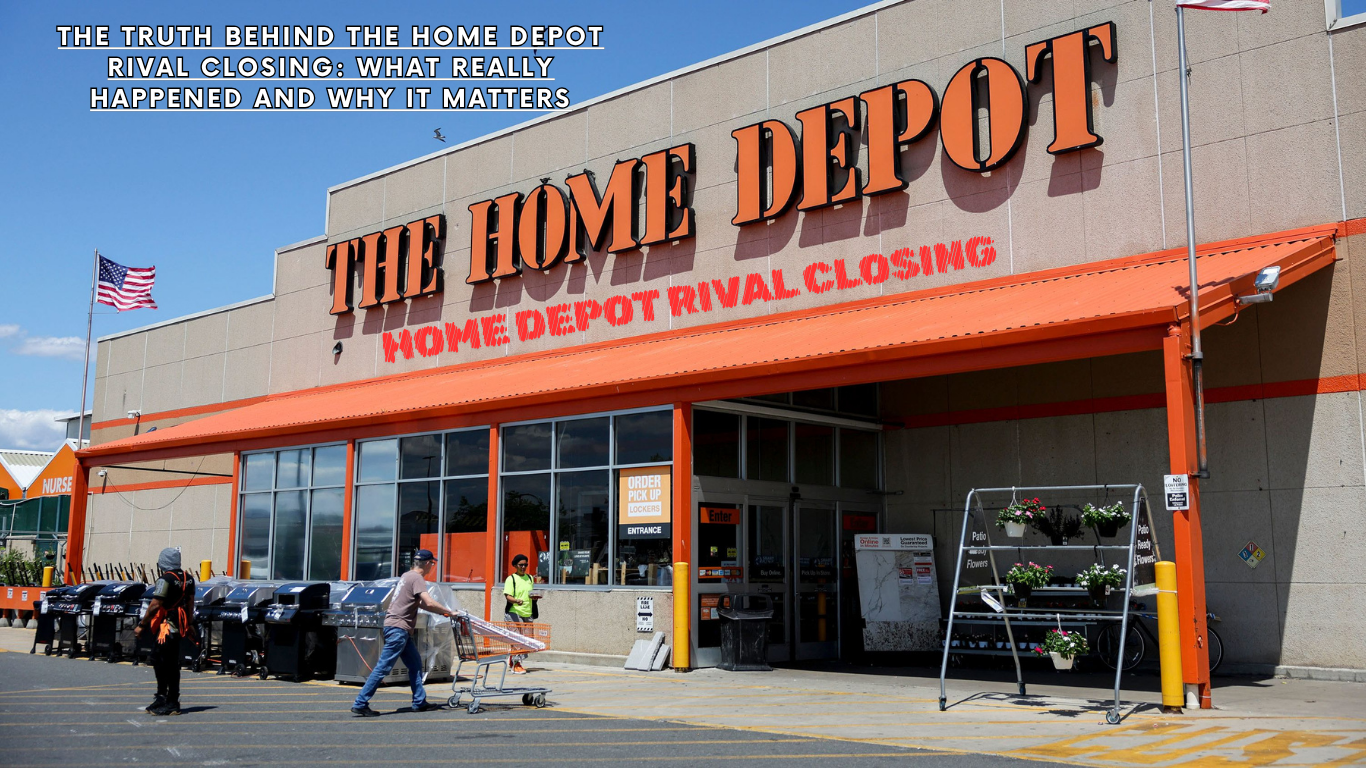
The recent home depot rival closing has shocked millions of homeowners, contractors, and retail experts. A brand once trusted for affordable building materials and quality service is now shutting its doors. But this story is about more than one company — it reflects the changing face of the home improvement business.
In this in-depth article, we’ll explore why the home depot rival closing happened, what led to its downfall, and what lessons every retailer can learn from this event. The collapse of a major competitor shows how even established names can crumble when consumer behavior, costs, and competition collide.
Understanding the Home Depot Rival Closing
The home depot rival closing involves a well-known home improvement retailer that couldn’t survive the pressures of modern retail. After years of struggling with sales, rising debt, and falling consumer demand, the company finally announced store closures and liquidation sales.
This home depot rival closing highlights how even established companies can face ruin when they fail to adapt. Once a favorite destination for flooring, tools, and home renovation materials, the rival couldn’t keep up with giants like Home Depot and Lowe’s. It’s a clear example of how market dominance and customer loyalty can shift rapidly in today’s economy.
Why the Home Depot Rival Closing Happened
The home depot rival closing didn’t occur overnight. It was the result of multiple factors coming together over time. Let’s break them down.
Financial Struggles and Mounting Debt
The company behind the home depot rival closing carried heavy debt. As interest rates rose and profits fell, paying off that debt became impossible. Without strong financial health, even small economic shocks can cause collapse. When lenders lose confidence and investors pull back, the end often comes fast.
Decline in Home Improvement Spending
After the pandemic, many people cut back on major renovation projects. This slowdown hurt sales across the entire sector. The home depot rival closing proves how dependent the home improvement industry is on consumer confidence. When homeowners postpone upgrades, revenue drops sharply, leaving retailers vulnerable.
Fierce Competition from Industry Giants
Competing against massive brands like Home Depot and Lowe’s requires scale, technology, and deep supplier relationships. The home depot rival closing happened because smaller players couldn’t match those advantages. Big chains have national networks, advanced logistics, and marketing power that smaller rivals can’t afford to replicate.
Operational Mistakes and Weak Strategy
In any business, one wrong move can lead to disaster. The company behind the home depot rival closing expanded too quickly without securing stable profit margins. Some locations underperformed for years, draining resources that could have been used to modernize stores or improve customer service.
Rising Costs and Economic Pressures
Inflation, shipping costs, and global supply chain disruptions hit the entire industry. For a struggling company, these pressures were devastating. The home depot rival closing is a perfect example of how external economic factors can push a weak business over the edge.
The Impact of the Home Depot Rival Closing

The home depot rival closing affects far more than just one company. Its ripple effects are being felt across communities, suppliers, and even competitors.
Job Losses and Local Economic Strain
Thousands of employees lost their jobs because of the home depot rival closing. Many of them had worked for the company for years and are now facing an uncertain future. Local economies, especially in small towns where these stores operated, are losing both jobs and tax revenue.
Consumers Lose a Trusted Option
For shoppers, the home depot rival closing means fewer choices. Customers who relied on the rival for affordable prices, local deals, and specific product lines now have limited alternatives. Some are being forced to travel farther or pay higher prices elsewhere.
Competitive Advantage for Industry Leaders
Home Depot and Lowe’s will likely benefit from the home depot rival closing. With fewer competitors, they can expand into markets previously dominated by smaller players. However, this could also reduce competition, leading to higher prices and fewer incentives for innovation.
Lessons from the Home Depot Rival Closing
The story of the home depot rival closing offers valuable insights for both retailers and investors. Every failure holds lessons about adaptability, strategy, and timing.
1. Adapt to Changing Consumer Behavior
Modern consumers value convenience, speed, and digital access. Companies that ignore online trends risk becoming irrelevant. The home depot rival closing is a warning to businesses that still rely too heavily on outdated retail models.
2. Control Debt Before It Controls You
Debt can help a company grow, but too much of it can destroy it. The home depot rival closing shows the danger of expanding without financial discipline. Companies must balance ambition with sustainability.
3. Invest in Technology and Customer Experience
Home Depot’s digital tools, pickup options, and loyalty programs give it a massive edge. The home depot rival closing retailer failed to keep up with technology that could have improved efficiency and customer satisfaction.
4. Build Brand Trust and Transparency
Once trust is lost, customers rarely return. The home depot rival closing company had past quality concerns that damaged its reputation. Rebuilding credibility takes years — something the brand simply didn’t have time for.
Case Study: What We Can Learn from the Collapse
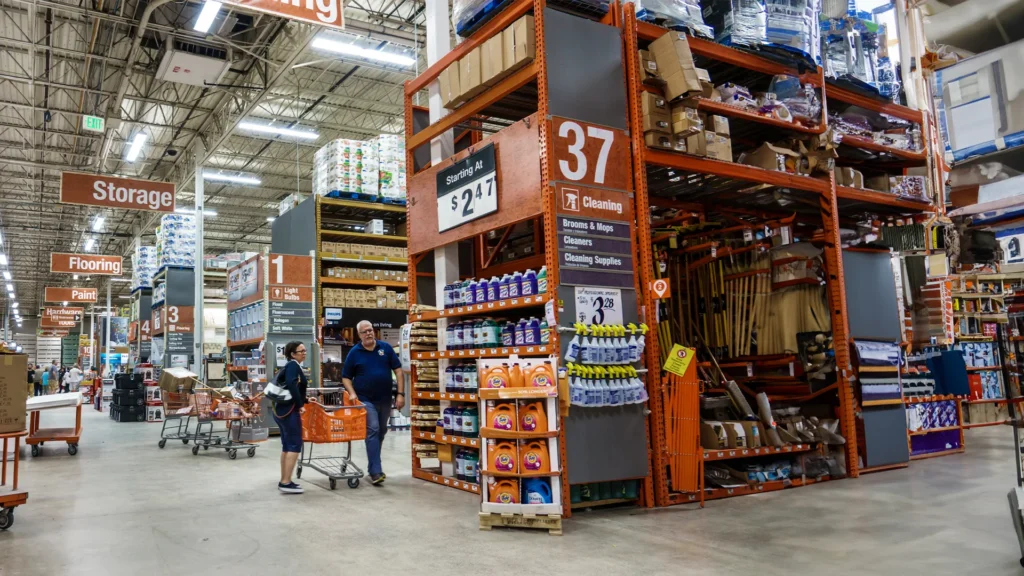
A close look at the home depot rival closing reveals patterns common in retail failures. The chain had expanded rapidly but ignored market warning signs. Sales fell quarter after quarter, and store traffic declined. Instead of restructuring early, management delayed hard decisions. By the time bankruptcy and liquidation became unavoidable, recovery was impossible.
This case shows how quickly business conditions can turn. The home depot rival closing underscores that staying profitable isn’t just about sales — it’s about cash flow, innovation, and resilience.
How the Home Depot Rival Closing Changes the Market
The home depot rival closing has reshaped the competitive landscape of home improvement retail. Fewer mid-sized players remain, leaving only the giants and small local stores.
For suppliers, the closure means fewer buyers and tighter margins. For landlords, it leaves empty spaces that may take months to re-lease. And for consumers, the change could mean less variety and higher costs.
The overall market will likely consolidate further. New startups may emerge, but they’ll need fresh ideas and digital-first strategies to compete against established leaders.
FAQs
1. What caused the home depot rival closing?
It happened because of high debt, poor sales, and strong competition from larger companies.
2. Did the home depot rival closing affect other retailers?
Yes, it increased market power for Home Depot and Lowe’s while reducing options for consumers.
3. Can small stores benefit from the home depot rival closing?
Independent stores may capture some local customers, but they’ll need good pricing and service to keep them.
4. Is the home depot rival closing permanent?
Yes, the closure includes full liquidation of stores and inventory, signaling a permanent exit.
5. What does the home depot rival closing mean for the future of retail?
It shows that traditional retailers must innovate, manage debt, and stay competitive to survive.
Conclusion
The home depot rival closing is more than a corporate failure — it’s a turning point in the home improvement industry. It shows how rapidly the retail world is evolving and how critical it is for businesses to adapt. Companies that ignore consumer needs, financial warning signs, and technology trends will face the same fate.
For shoppers, employees, and communities, the home depot rival closing is a reminder that no brand is too big to fail. For competitors, it’s a lesson in survival. The industry’s future will belong to those who innovate, stay lean, and put customers first.
